
Launching My First Microservice Architecture: Lessons from Real Life
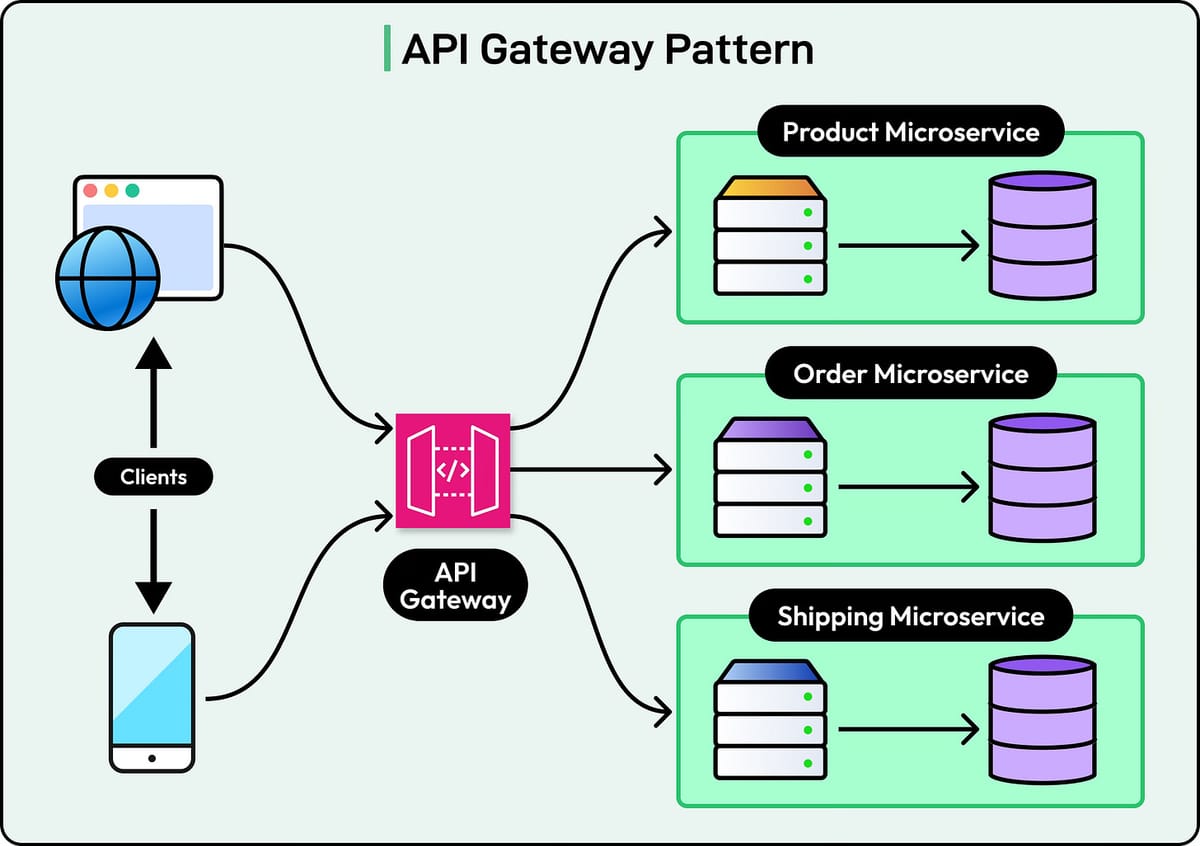
When I decided to scale my first SaaS startup, I realized our single monolithic app was slowing us down. Features were hard to deploy independently, one bug could crash the whole system, and scaling felt impossible. That’s when I took the plunge into microservices—and learned lessons the hard way.
This post is part story, part guide: you’ll get technical insights, startup lessons, and even fun anecdotes from the first failed deployments.
1. Why I Chose Microservices
The decision wasn’t theoretical—it came from real pain points:
- Every update required a full redeploy
- Scaling one feature meant scaling the entire app
- Debugging issues in a 50k-line monolith was a nightmare
I needed a system where each feature could evolve independently, like services in the cloud.
2. Picking the Tech Stack
I wanted speed and reliability:
- Backend APIs → FastAPI in Python for lightweight services
- Database → PostgreSQL for transactional data, Redis for caching
- Containerization → Docker to package services
- Orchestration → Kubernetes for deployment and scaling
Story: Day 2 of setting up Kubernetes, I accidentally created a loop of restarting pods. I laughed and cursed at the same time—lesson learned: always read the docs carefully before kubectl apply.
3. Building Services Incrementally
I didn’t migrate everything at once. Instead, I started with:
- User authentication service → isolated, tested, and deployed first
- Billing service → critical for subscriptions and revenue
- Notification service → emails and webhooks
Each service had its own API, database, and logs, but communicated via REST or message queues.
Lesson: Incremental migration avoids disasters and keeps your team sane.
4. Real-World Challenges
- Network latency → Some services responded slower than expected
- Version mismatch → Older clients breaking due to API changes
- Monitoring chaos → Multiple logs and dashboards got overwhelming
Tip: Use centralized logging (Grafana + Prometheus) and version your APIs carefully.
5. Startup Lessons Learned
- Microservices increase development speed once mastered, but the learning curve is real
- Testing is non-negotiable: unit tests, integration tests, and end-to-end tests saved many late-night debugging sessions
- Team communication matters: every service owner must understand how their service affects the others
Fun Anecdote: During our first demo to potential investors, a notification service failed because I forgot to deploy the Kafka queue. They laughed—but it was a great learning moment about real production environments.
6. Why I’d Do It Again
Despite the early headaches, the architecture paid off:
- Features could be deployed without affecting the whole system
- Scaling was predictable and efficient
- Each new team member could focus on a single service without breaking the rest
Final Thoughts
Switching to microservices is not a silver bullet. It’s a tradeoff: complexity for scalability. But combining technical knowledge with real startup experience helped me make the right choices.
If you’re considering microservices:
- Start small, migrate incrementally
- Invest in monitoring and testing
- Learn from failures—they teach more than successes
Building scalable, maintainable systems is a journey, not just code.
If you want, I can continue this series with another startup-story blog—maybe something about deploying your first SaaS with Ghost subscriptions, handling real users, and scaling servers in the first 100 days.