
SQL and NoSQL Databases Compared for Developers
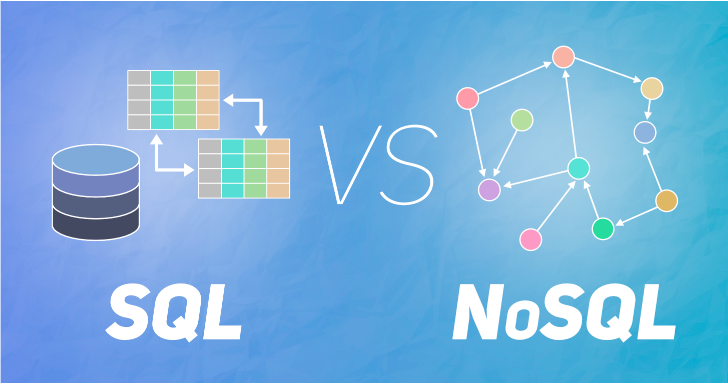
When I first built my side project as a solo developer, I faced a choice that many developers encounter: should I use a SQL or NoSQL database? It felt like a purely technical decision, but soon I realized the choice impacts everything from scalability and speed to developer sanity and long-term maintenance.
In this blog, we’ll explore the differences between SQL and NoSQL, real-world considerations, and stories from developers who made the switch successfully.
1. SQL Databases: Reliability Meets Structure
Story: At my first startup, we used PostgreSQL for everything—user accounts, analytics, logs. The structure was rigid, but it gave us predictable queries, ACID compliance, and easy joins.
Pros:
- Strong schema and relational integrity
- Mature tooling and libraries
- Easy for reporting and analytics
Cons:
- Can struggle with huge datasets or high write volumes
- Schema changes require careful planning
2. NoSQL Databases: Flexibility at Scale
A few months later, I joined a project that needed to store unstructured user activity logs in real-time. SQL felt slow, so we switched to MongoDB, a document-based NoSQL database. It allowed us to store JSON-like objects directly and scale horizontally with ease.
Pros:
- Flexible schemas for changing data
- Horizontal scaling for massive traffic
- Fast writes for high-volume applications
Cons:
- Complex joins require workarounds
- Less mature ecosystem for some analytics tasks
3. When to Choose Which
- SQL: Core transactional data, accounting, e-commerce orders
- NoSQL: User-generated content, logs, IoT, social feeds
Real-Life Tip: One company I worked with started with MongoDB for flexibility but switched some core transactional tables to PostgreSQL after discovering that ACID compliance mattered more than flexible schema for payments.
4. Hybrid Approaches
Many projects today use a hybrid approach, picking the right tool for each job:
- PostgreSQL for structured data
- Redis for caching
- MongoDB for flexible logs or analytics
This approach balances speed, scalability, and reliability.
5. Lessons Learned
- Think beyond technical specs: consider team familiarity, reporting needs, and future growth
- Always plan for migrations; switching databases mid-project is costly
- Use cloud-managed services to offload operational overhead